
What Sets Digital SIM Technology Apart
Get Your eSIM Card Instantly and Activate Global Data Now
What if your smartphone could connect to any network without needing a physical slot for a SIM card? An eSIM, or embedded SIM, is a tiny, programmable chip soldered directly onto your device’s motherboard, replacing the need for a removable plastic card. Activating a cellular plan becomes a matter of scanning a QR code or downloading a profile, allowing you to instantly switch between carriers or add a second line for work and travel without ever handling a physical card. This digital architecture makes it effortless to manage multiple profiles on a single device, offering unparalleled flexibility and convenience for modern connectivity.
What Sets Digital SIM Technology Apart
What really sets eSIM technology apart is its complete lack of a physical card. You don’t need to fumble with a tiny tray or worry about losing a nano-SIM. Instead, an eSIM card is a digital profile you download straight to your phone, letting you switch carriers or add a new plan in minutes, not days. This makes it perfect for frequent travelers, as you can buy and install a local data plan before you even land. The core advantage of digital SIM technology is this instant, remote activation, which also frees up the physical SIM slot for a second line, giving you seamless dual-SIM management without ever touching a piece of plastic.
How Embedded Subscriber Modules Work
An embedded subscriber module, or eSIM, is a rewritable chip soldered directly onto a device’s motherboard, eliminating the physical SIM tray. The module works by storing multiple operator profiles, each containing authentication keys and network parameters. When a user activates a plan, a remote provisioning command downloads and installs the profile onto the chip’s secure element. Remote SIM provisioning enables switching between saved profiles without any physical card swap. The process involves:
- A device requests a new profile via a QR code or app-based activation.
- The profile is encrypted and transmitted to the chip using the GSMA’s standardized protocol.
- The secure element decrypts and stores the profile, linking it to the device’s modem for network access.
Key Differences from Traditional Plastic SIMs
The most immediate difference is that a digital SIM is a rewritable chip soldered into your device, not a removable plastic card. This eliminates the physical swapping process; you can change carriers or add a secondary line by downloading a new profile directly through your phone’s settings. The physical SIM’s tray and its single-profile limitation are replaced by the ability to store and switch between multiple operator profiles instantly. This hardware removal makes digital SIMs far more robust against being lost or damaged when changing devices. Remote profile provisioning is the core practical shift, bypassing the need to wait for a plastic chip to arrive by mail.
Q: How does switching carriers differ from using a physical plastic SIM?
A: Instead of ejecting the tray and physically swapping a card, you simply delete the old profile and download the new one via an app or QR code, completing the switch in seconds without handling any physical component.
Why Mobile Carriers Are Adopting This Standard
Mobile carriers adopt eSIM standards to reduce physical logistics and fraud. By eliminating plastic SIM cards, they save on manufacturing, shipping, and activation costs. The remote provisioning capability allows them to instantly activate or switch plans over the air, improving customer retention through seamless profile swaps. Over-the-air provisioning also drastically cuts SIM swap scams, as no physical card can be intercepted. Why do carriers prefer eSIM over physical SIMs? It streamlines their backend operations by shifting provisioning to digital systems, reducing warehouse dependencies and enabling faster subscriber onboarding without hardware bottlenecks.
Devices That Support the New SIM Format
The shift to the new SIM format is defined by eSIM card compatibility, which is now standard in flagship smartphones from Apple, Google, and Samsung. Devices like the iPhone 14 series and newer, along with Google Pixel 7 and later models, forgo a physical SIM tray entirely in many regions. This means users activate a cellular plan by scanning a QR code or using an app, not by inserting a plastic chip. All recent Samsung Galaxy S24 models in the US ship as eSIM-only, a clear signal of the format’s dominance. Beyond phones, this new SIM format powers the Apple Watch Ultra and iPads with cellular, allowing a single number to work across multiple devices without swapping cards.
Latest Smartphones and Tablets with Built-In Compatibility
Recent flagship devices, such as the iPhone 15 series and Google Pixel 8, feature built-in eSIM-only compatibility, eliminating the physical SIM tray entirely. High-end Samsung Galaxy S24 models and the iPad Pro (M4) also integrate dual eSIM support, allowing users to activate multiple carrier profiles without a nano-SIM. The latest cellular iPads and Samsung Galaxy Tab S9 series natively support eSIM activation, enabling immediate data plan setup without waiting for a physical card. These devices require users to scan a QR code or use a carrier app for activation, ensuring seamless connectivity on latest smartphones and tablets.
Wearables and Smartwatches Leveraging Remote Provisioning
Wearables and smartwatches leverage eSIM remote provisioning to activate cellular connectivity without a physical SIM slot. Through a QR code or companion app, users download carrier profiles directly onto the device, enabling independent calls, messages, and data streaming. This process allows seamless multi-device connectivity by linking the wearable’s eSIM to the user’s primary phone number. Remote provisioning simplifies adding a smartwatch to an existing plan, eliminating manual SIM swaps. For example, during a run, the watch maintains its own connection via eSIM, freeing the phone. This functionality ensures the wearable remains functional as a standalone communication tool without needing physical card insertion.
Laptops and Routers Offering Cellular Connectivity
Modern laptops and mobile routers increasingly embed eSIM technology, allowing users to activate a cellular data plan directly without a physical nano-SIM. This means you can connect to 4G or 5G networks for instant, tether-free internet on the go, swapping carriers via a software interface to avoid roaming fees. For business travelers, this eliminates hunting for local SIMs or relying on unsecured public Wi-Fi. Mobile routers with eSIM act as portable hotspots, supporting multiple devices simultaneously.
- End device flexibility: no need to remove the laptop battery or open a router case to change SIMs.
- Multi-profile storage: several carrier profiles can be saved, enabling quick regional data plan switches.
- Built-in security: connections are encrypted end-to-end, safer than public Wi-Fi networks.
Switching Plans Without Swapping Hardware
The core value of an eSIM card is the ability to switch plans without swapping hardware. You bypass the physical SIM tray entirely, meaning no fumbling for a paperclip or risking a lost chip. To change your mobile service, you simply scan a QR code or download a carrier profile directly to your device’s settings; the digital profile activates within minutes, while your old profile remains stored (and deactivated) for future use. This enables near-instantaneous switching between local, traveler, or data-only plans for the same eSIM-compatible phone.
You retain full hardware control: your single device becomes a gateway to dozens of services, not a locked box for one provider.
Every carrier change is handled as a software update, a frictionless operation that eliminates the logistical delays of shipping or store visits.
Steps to Activate a Virtual SIM Profile
To activate a virtual SIM profile, first ensure your device is unlocked and connected to Wi-Fi. Open your phone’s settings, navigate to “Mobile Network” or “Connections,” and select “Add eSIM.” Scan the QR code provided by your carrier, or manually enter the activation code. Follow the on-screen prompts to confirm the profile. Once installed, label your plans (e.g., “Work” and “Personal”) and set your default line for calls and data. That’s it—you’re ready to switch plans without a physical swap.
Q: Can I switch between virtual SIM profiles instantly?
A: Yes, just go to your eSIM settings and toggle which profile is active. No restart needed.
Transferring Service Between Carriers Instantly
With an eSIM, transferring service between carriers instantly eliminates the wait for a physical SIM card. You simply scan a new carrier’s QR code or download their eSIM profile, and the activation happens in minutes. This direct digital handoff means you can switch providers mid-day without downtime or swapping hardware. Instant carrier switching via eSIM gives you the freedom to hop between networks for better coverage or temporary plans. Your primary number remains active even while testing another carrier’s service on the same device. The process is fully self-service, requiring no store visit or shipping delays.
Managing Multiple Numbers on a Single Device
Managing multiple numbers on a single device transforms your smartphone into a hub for separate lives. With an eSIM, you can activate a second line without a physical second SIM, keeping work and personal contacts distinct. Dual-line eSIM management lets you assign each number separate ringtones or notifications, ensuring you never confuse calls. To organize effectively:
- Go to your phone’s cellular settings to add a secondary eSIM plan.
- Label each line (e.g., “Work” or “Travel”) for quick identification.
- Select a primary line for default calls and data, then toggle the secondary line for specific tasks like using a local number abroad without changing your main plan.
Roaming Benefits for Frequent Travelers
For frequent travelers, an eSIM card eliminates the need to physically swap SIMs, instantly providing a local data profile upon arrival. This ensures immediate connectivity for navigation or ride-hailing without hunting for a store. Roaming benefits become seamless as you can keep your primary home number active for calls while using the eSIM for data.
A single eSIM profile can store multiple roaming plans, allowing you to switch between regional or global data bundles without uninstalling your home SIM.
This eradicates surprise bills from a traditional roaming plan, as you prepay only for the data you need, with direct access from your device settings.
Skipping Physical SIM Purchases Abroad
For frequent travelers, skipping physical SIM purchases abroad eliminates the need to hunt for local vendors or swap cards in transit. eSIM technology allows you to activate a data plan before departure, connecting instantly upon landing without fumbling with tiny trays. This process avoids compatibility issues with dual-SIM phones and prevents losing your home number during the swap. You can also keep multiple international data profiles ready, switching between them based on coverage needs, all without carrying extra plastic.
Local Carrier Options Without Changing Your Primary Line
With an eSIM, you can grab a local data plan abroad without swapping out your home SIM card. Just scan a QR code or use an app from a local carrier to instantly activate a secondary eSIM line. Your primary number stays active for calls and texts, while you use the local plan for high-speed data. This means no expensive roaming fees and no physical SIM cards to lose. You simply toggle between lines in your phone’s settings, keeping your main contact number reachable.
You keep your primary number active while adding a cheap local data plan through a secondary eSIM line.
Cost Savings on International Data Plans
Switching to an eSIM slashes your roaming costs by letting you buy local data plans at local prices without swapping physical SIMs. Instead of paying your home carrier’s inflated daily fees, you can grab a cheap regional or country-specific data package before you fly. This means you often pay fractional costs compared to traditional roaming, sometimes saving 50–80% per trip. Just activate the plan in minutes and keep your home number active for calls and texts—no surprise bills when you return.
With eSIM, you cut international data costs drastically by choosing affordable local plans instead of paying expensive daily roaming rates.

Security and Privacy Advantages
An eSIM card enhances security by being permanently embedded, eliminating the physical SIM removal that enables swapping or theft. This mitigates SIM-swap attacks, as a hacker cannot physically access your card. For privacy, eSIMs allow you to activate a secondary, temporary number without giving your primary number to services. Your subscriber identity is stored in secure, tamper-resistant hardware, not on a removable chip. Remote provisioning means you can instantly delete or swap profiles if a device is lost, rendering the eSIM useless to an unauthorized user.
Without a physical card to clone or intercept, your mobile identity is locked to the device’s secure element, making unauthorized duplication nearly impossible.
This integration ensures your connection and personal data remain under your direct control.
Remote Locking and Wiping Capabilities
Remote locking and wiping capabilities for eSIMs allow users to deactivate or erase stored eSIM profiles from a lost or stolen device via a secure portal or app, immediately cutting unauthorized network access. This prevents SIM swapping, as the digital profile is rendered useless without physical intervention. Unlike physical SIMs, a wiped eSIM cannot be reinserted into another phone for misuse.
- Disabling the eSIM profile blocks all cellular services, including SMS and data, remotely.
- Full wiping removes the eSIM configuration from the device’s secure element, requiring re-provisioning.
- Partial locking can restrict specific roaming or premium services while retaining basic connectivity.
Reduced Risk of SIM Swap Fraud
An eSIM significantly reduces the risk of SIM swap fraud by eliminating the physical SIM card a scammer can clone or steal. Because your profile is embedded in the device, a fraudster cannot call your carrier pretending to be you and request a new physical card. The transfer process requires direct user authentication on the original device, not just a phone call. To secure your line, follow this sequence:
- Store the eSIM activation QR code securely offline.
- Enable device-level PIN or biometric locks for profile changes.
- Use carrier app verification for any eSIM re-download.
Even if your phone is lost, the eSIM requires your device unlock to be removed, making remote swap attacks nearly impossible.
Encrypted Profile Storage on Device
Your eSIM’s encrypted profile storage on device acts like a private vault, locking away your operator details so only your phone can access them. This local encryption safeguards your identity by scrambling sensitive data like credentials and keys into unreadable code. When you activate a new plan, the profile downloads and gets encrypted before saving. To switch carriers, your device autonomously decrypts the stored file without exposing it to apps. If the phone is lost, no one can extract your profiles because the decryption key remains hidden inside the device’s secure hardware. A simple sequence ensures protection:
- Encryption happens immediately upon profile download.
- The encrypted file is written to isolated, tamper-resistant storage.
- Decryption only occurs when you authenticate locally.
Common Connectivity Scenarios Solved
An eSIM solves the common hassle of juggling multiple physical SIM cards when traveling. You can instantly download a local data plan upon arrival, bypassing the need to find a store or swap trays. For regular commuters, it seamlessly switches between a work profile and a personal line without duplicating hardware. It also fixes the problem of running out of data during a trip—just purchase and activate a new plan directly from your phone settings. If your primary SIM fails, an eSIM acts as a quick backup, keeping you connected. Even international roaming becomes simpler, as you can keep your home number active while using a local carrier eSIM for affordable data.
Running Dual Lines for Work and Personal Use
Running dual lines for work and personal use is a primary connectivity scenario solved by eSIM technology. Instead of carrying two devices or juggling physical SIM swaps, a single phone holds your primary personal number via a physical SIM while a secondary eSIM profile manages your professional line. This allows receiving calls and texts for both numbers simultaneously, with each line retaining its own voicemail box and messaging threads. You can toggle data usage between profiles or set the work line to run only during business hours, preventing after-hours intrusion on your personal time. This separation maintains professional boundaries without requiring a second handset.
Switching Between Regions Without New Cards
Switching between regions without new cards is a core advantage of an eSIM, eliminating physical SIM swaps. When traveling from one region to another, users simply select a new local profile from their device’s settings menu, which downloads the regional network credentials over an existing Wi-Fi or data connection. The process typically involves no hardware interaction, only a logical toggle between active profiles. A clear sequence for this transition is:
- Navigate to the device’s mobile network settings.
- Choose the new regional eSIM profile from the list of stored plans.
- Activate the profile, which instantly reconfigures the device to the local carrier network for that region.
This capability allows seamless regional roaming without card replacement, as users can preload multiple region-specific profiles before departure and shift between them on demand.
Backup Connectivity During Service Outages
During a primary network outage, an eSIM provides a critical alternative by enabling instant activation of a secondary data plan on the same device, bypassing physical card swaps. You can pre-load a backup eSIM profile from a different carrier, ensuring uninterrupted connectivity during service outages without hardware changes. Switching to this secondary profile typically requires just a few taps in settings, avoiding reliance on the failed primary network.
| Aspect | Primary SIM | Backup eSIM |
|---|---|---|
| Activation during outage | Often unavailable | Instant profile switch |
| Hardware required | Physical SIM slot | eSIM-compatible device |
| Carrier dependency | Single provider | Alternate https://baztel.co/esim-plans/esim-japan carrier plan |
Setting Up Your First Digital Profile
Setting up your first digital profile for an eSIM card starts by scanning a QR code or downloading your carrier’s app. You’ll then enter a confirmation code, and the profile installs directly onto your phone’s firmware, not a physical slot. After installation, name the profile clearly (like “UK Travel” or “Home Line”) using your phone’s cellular settings to avoid confusion between multiple lines. You can usually toggle your primary profile off entirely while roaming, letting the new eSIM handle all data. Remember to label each profile accurately, so you never accidentally drain the wrong data allowance.
Scanning a QR Code for Instant Activation
Scanning a QR code for instant activation bypasses manual configuration entirely. You simply navigate your device’s mobile network settings to the eSIM addition menu and scan the provided code. This triggers an immediate download and installation of your eSIM profile, enabling service within minutes without needing a physical card. The process uses your camera to read an encrypted profile data string, ensuring secure and error-free provisioning. Instant eSIM activation via QR code removes the wait associated with traditional SIM shipping or store visits.
- Ensure your device is connected to Wi-Fi during the scan to download the profile.
- Do not share your QR code; it is unique to your device and account.
- Keep a backup of the QR code in a secure location in case you need to reinstall.
Manual Entry Options for Carrier Details
When setting up your first digital profile, many eSIM providers offer Manual Entry Options for Carrier Details as an alternative to scanning a QR code. You will enter the SM-DP+ address, activation code, and optional confirmation code directly into your phone’s settings. This method is crucial if your screen is damaged or you receive carrier credentials via email. After inputting all data, your device will securely download the eSIM profile in seconds.
Q: What if I mistype a character in the SM-DP+ address?
Your phone will reject the profile. Double-check each digit—most errors come from a swapped letter or missing slash. Re-enter carefully to avoid a failed download.
Troubleshooting Profile Download Errors
When troubleshooting profile download errors during eSIM setup, first verify a stable Wi-Fi or cellular data connection, as intermittent signals often cause failure. If the eSIM profile download fails, restart your device to clear temporary network cache. Then, navigate to your mobile settings and remove any partially downloaded profiles before retrying. A sequence for resolution includes:
- Check that your device’s operating system is updated to support eSIM provisioning.
- Confirm the QR code or activation code from your carrier is not expired or mistyped.
- Switch to a different network (e.g., from Wi-Fi to mobile data) and attempt the download again.
If the error persists, contact your carrier to resend the profile, as server-side provisioning delays are common.
Future Trends in Mobile Subscriber Identity
The future of mobile subscriber identity is being redefined by the eSIM, shifting authentication from a physical plastic card to a secure, embedded digital profile. Users will soon manage multiple identities on a single device, instantly switching between personal, work, and travel personas without swapping chips. This enables native, software-based provisioning, where your identity is tied to your device’s secure element, not a removable card. Consequently, remote identity verification and activation will become instantaneous, erasing the need for physical delivery. The SIM’s role will evolve from mere network access into a trusted anchor for digital services, like banking logins and digital keys. This trend ultimately gives users granular, real-time control over their connectivity identities.
Integration with IoT and Smart Home Devices
eSIM technology directly enables seamless automated device provisioning for IoT and smart home ecosystems. Unlike physical SIMs, an eSIM allows a smart thermostat, security camera, or appliance to be remotely activated and switched between mobile carriers without manual card insertion. This is critical for headless devices with no user interface. For example, a connected lock can autonomously authenticate its network subscription via the built-in eSIM, instantly tying the identity to a user’s account. This eliminates the need for a local Wi-Fi configuration step.

How does eSIM integration simplify managing multiple IoT devices in a home? It enables a single digital subscription to be simultaneously or sequentially written to several devices, allowing users to centrally control network access, monitor data usage, and deactivate a compromised device remotely.
Carrier-Agnostic Ecosystem Development
A carrier-agnostic ecosystem develops by enabling users to store multiple operator profiles on a single eSIM, bypassing physical SIM swaps. This architecture allows seamless network switching based on cost, coverage, or speed without carrier lock-in. Carrier-agnostic profile management becomes practical as devices support remote provisioning through standardized APIs, letting users download, activate, or delete operator data independently. The ecosystem’s viability hinges on universal adoption of the GSMA’s eSIM specification across hardware and software layers. Consequently, users gain direct control over their subscription choices, decoupling the handset from any single carrier contract.
Carrier-agnostic ecosystem development decouples mobile identity from hardware, empowering user-driven network selection via self-managed eSIM profiles.
Potential Impact on Physical SIM Discontinuation
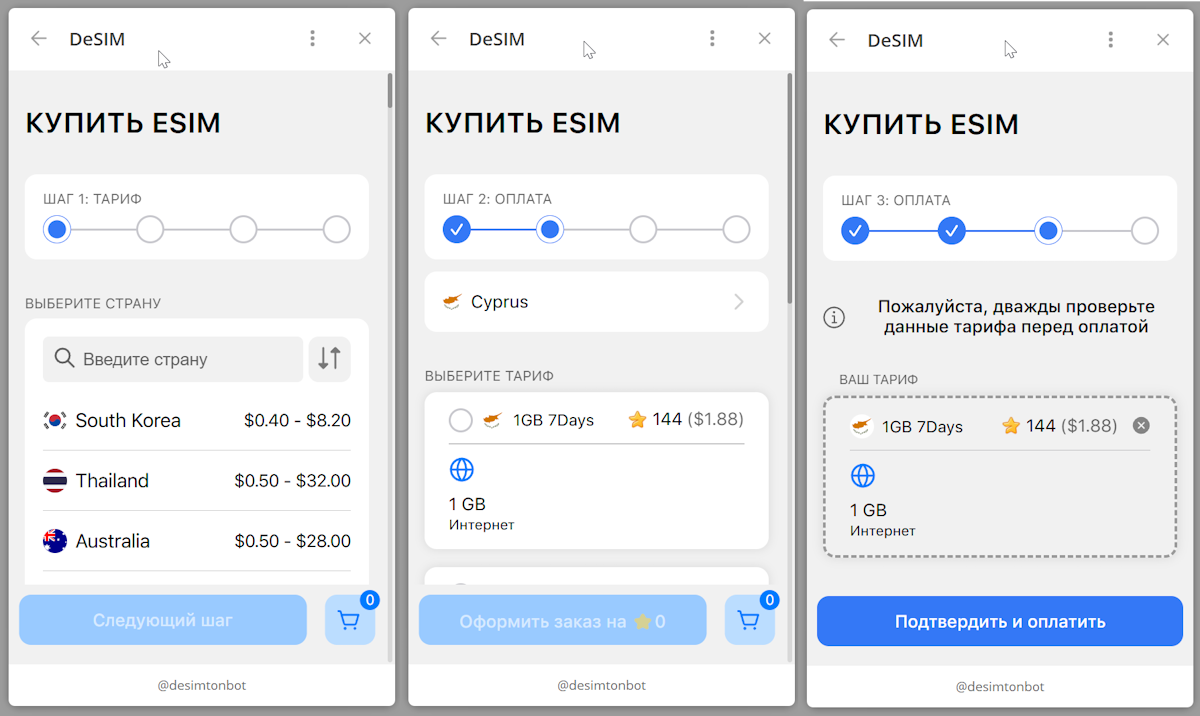
The discontinuation of physical SIMs eliminates the need for physical card swaps, directly impacting device logistics and user convenience. Users will migrate profiles digitally, ending reliance on retail SIM purchases. This shift requires secure eSIM profile management for transferring identities between devices. A clear sequence emerges:
- Users verify eSIM compatibility on the new device,
- Initiate a remote profile transfer via carrier app or QR code,
- Activate the profile, disabling the old physical SIM immediately.
Older devices without eSIM support will be stranded, forcing upgrades or dual-SIM workarounds. Lost eSIM-enabled phones require immediate carrier contact to revoke profiles, preventing unauthorized use.


