
Exploring Alternative Payment Choices When Traveling Overseas
Exploring Alternative Payment Choices When Traveling Overseas
Traveling overseas can be an exhilarating experience filled with new cultures, breathtaking landscapes, and delicious cuisines. However, one often overlooked aspect of travel is how to handle your finances effectively, especially when it comes to making payments in foreign countries. Traditional payment methods like cash and credit cards are still widely used, but alternative payment options have gained momentum in recent years. For instance, many online casinos now allow players to utilize a variety of payment methods for seamless transactions. You can find more about this Alternative Payment Choices at Overseas Casinos casino with alternative payment methods on various platforms.
The Rise of Alternative Payment Methods
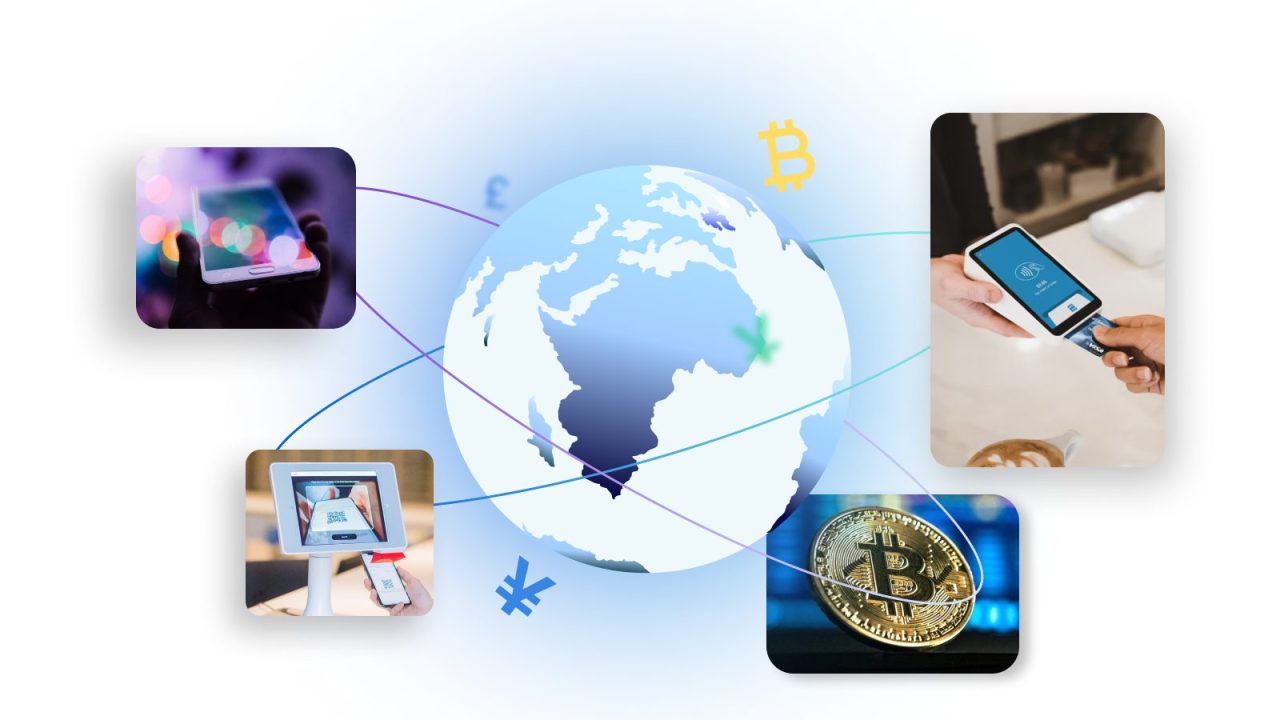
As technology continues to advance, the way we handle transactions while traveling has also evolved. Two primary reasons for this evolution are the global prevalence of smartphones and the ongoing need for convenience. Travelers want to minimize the hassle of carrying large amounts of cash, converting currencies, or worrying about international transaction fees. As a result, alternative payment methods have emerged to fill the gap.
Digital Wallets
One of the most popular alternative payment choices is digital wallets. Companies like PayPal, Apple Pay, Samsung Pay, and Google Wallet provide users with the convenience of making payments directly from their smartphones. With a digital wallet, travelers can link their bank accounts or credit cards to easily make transactions without needing to carry physical cash. This method is especially useful for smaller purchases, making it simpler to budget while on the go.
Many retailers, restaurants, and service providers overseas have adopted the use of digital wallets. In countries like Japan and South Korea, using a digital wallet is almost a norm. In addition to convenience, these payment methods often come with enhanced security features, such as biometric authentication, which protects against fraud.
Cryptocurrency
While not as universally accepted as digital wallets, cryptocurrencies like Bitcoin and Ethereum are paving the way for a new payment paradigm. More travelers are starting to embrace cryptocurrency as a payment option due to the growing acceptance of many businesses around the world. This decentralized form of currency provides users with increased anonymity, lower transaction fees, and the ability to transact across international borders without conversions.
As a traveler, utilizing cryptocurrency can be particularly advantageous in places where traditional banking systems may be inefficient or underdeveloped. However, it’s essential to research the acceptance of cryptocurrencies in your destination, as well as the local regulations surrounding digital currencies.
Local Payment Systems
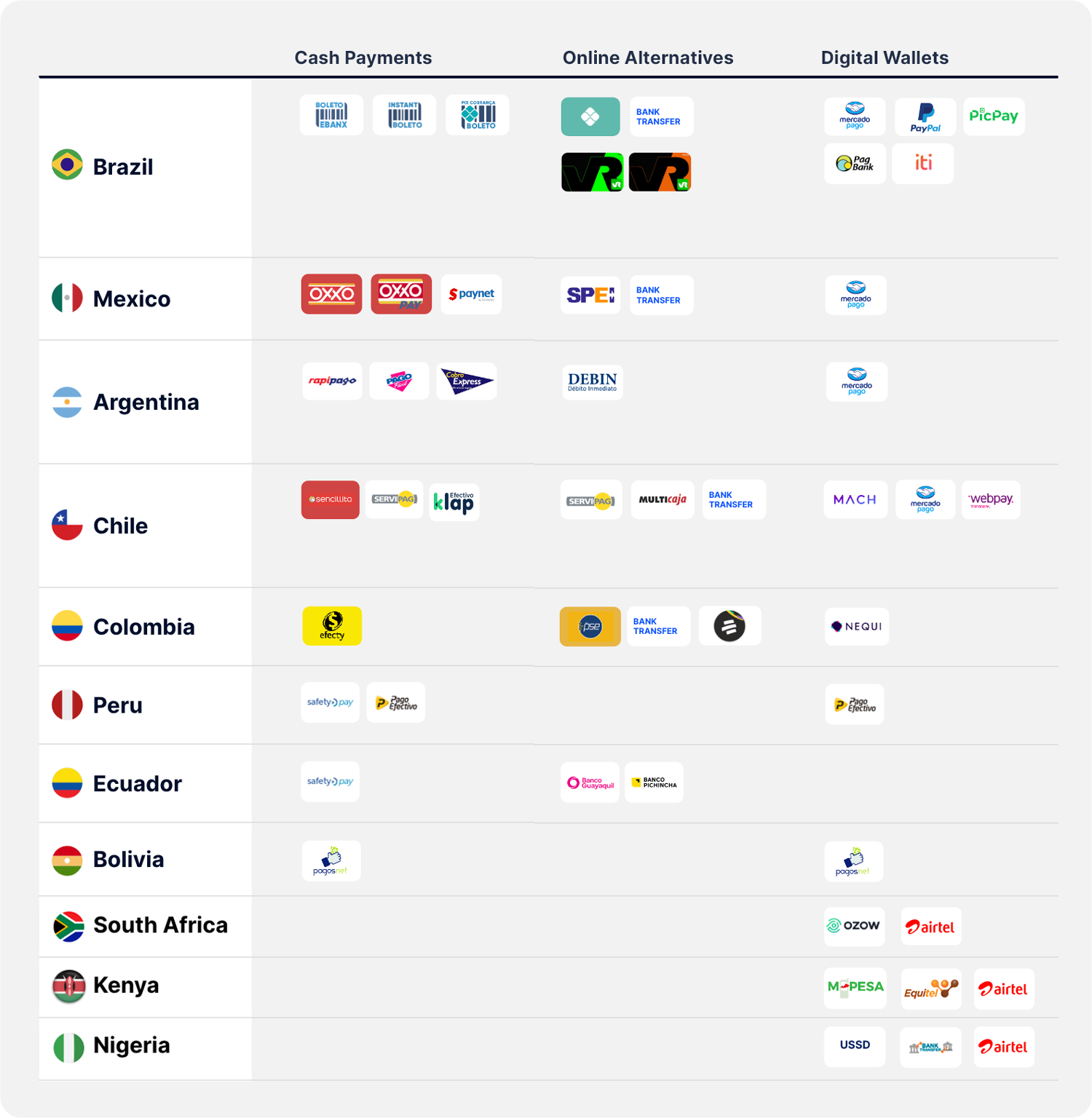
Depending on the country you visit, there may be local payment methods more widely accepted than international credit cards. For example, Alipay and WeChat Pay are dominant payment systems in China, where cash transactions have become rare. Similarly, M-Pesa is a leading mobile money transfer and payment service in Kenya, which allows people to make transactions easily through their mobile devices.
Understanding and utilizing these local payment methods can enhance your travel experience by allowing you to engage more deeply with local merchants and communities. It’s worth exploring whether these payment systems can be linked to your existing bank accounts or credit cards for seamless transactions.
Prepaid Travel Cards
For travelers concerned about security and budgeting, prepaid travel cards are an excellent alternative. These cards allow you to load funds onto the card before your trip, and you can use them just like a credit card in participating locations. Not only do these cards help prevent overspending, but they also come with the added benefit of being able to lock in exchange rates before making transactions, which can be especially advantageous in volatile currency markets.
Contactless Payments
Contactless payment options are becoming increasingly prevalent globally. This payment method allows travelers to make purchases simply by tapping their card or mobile phone at a point-of-sale terminal. Whether you’re boarding a train in London or grabbing coffee in Paris, having a contactless payment method can speed up transactions and reduce the need for cash.
Considerations When Using Alternative Payment Methods
While alternative payment methods can offer convenience and security, there are important considerations to keep in mind:
- Fees: Be aware of any transaction fees associated with using alternative payment methods. Credit card companies and payment apps may impose foreign transaction fees that can add up.
- Acceptance: Not all payment methods are accepted everywhere, so it’s important to have a backup payment option available.
- Currency Conversion Rates: When using international payment methods, always check the currency conversion rates, as they can significantly affect costs.
- Security: Ensure that any payment method you choose has strong security features and check for fraud protection policies.
Conclusion
As the world becomes increasingly interconnected, alternative payment methods continue to reshape the travel experience. By understanding and utilizing various options like digital wallets, cryptocurrencies, local payment systems, prepaid travel cards, and contactless payments, you can navigate your financial transactions with ease. Whether you’re visiting a bustling city or a remote village, having flexibility in payment options can help streamline your adventures and ensure you make the most of your overseas escapades.


